
Policy Focus Areas
Literacy and Math instruction reform
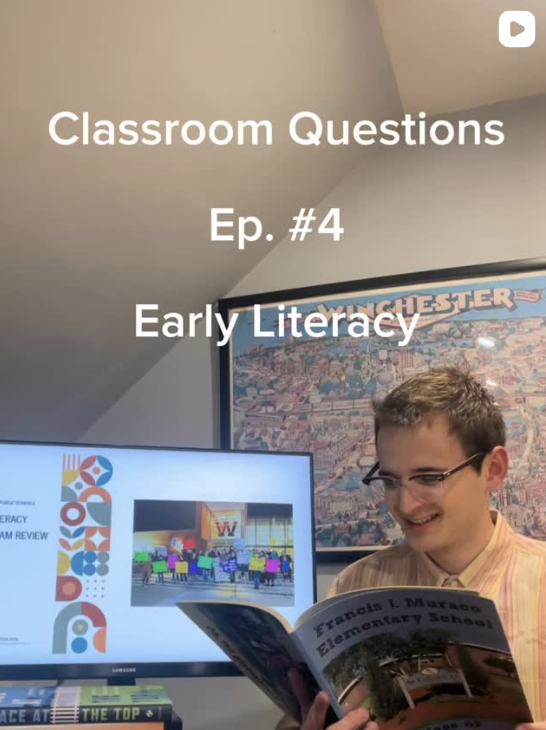
As the son of an early childhood special education teacher, John knows the importance of using evidence-based practices and materials to help all students succeed. Winchester’s resistance to adopting research-based practices in literacy has failed many of our students, particularly low-income students and students with special needs.
Although WPS has made meaningful progress towards embracing the science of reading, the district must also strive to stay on the cutting edge of evidence-based instructional practices in other domains such as mathematics, writing, and technology. Leveraging high-impact tutoring and professional development alongside high-quality instructional materials will help all students thrive. John’s work as an education policy researcher enables him to stay up-to-date on the field’s emerging best practices.
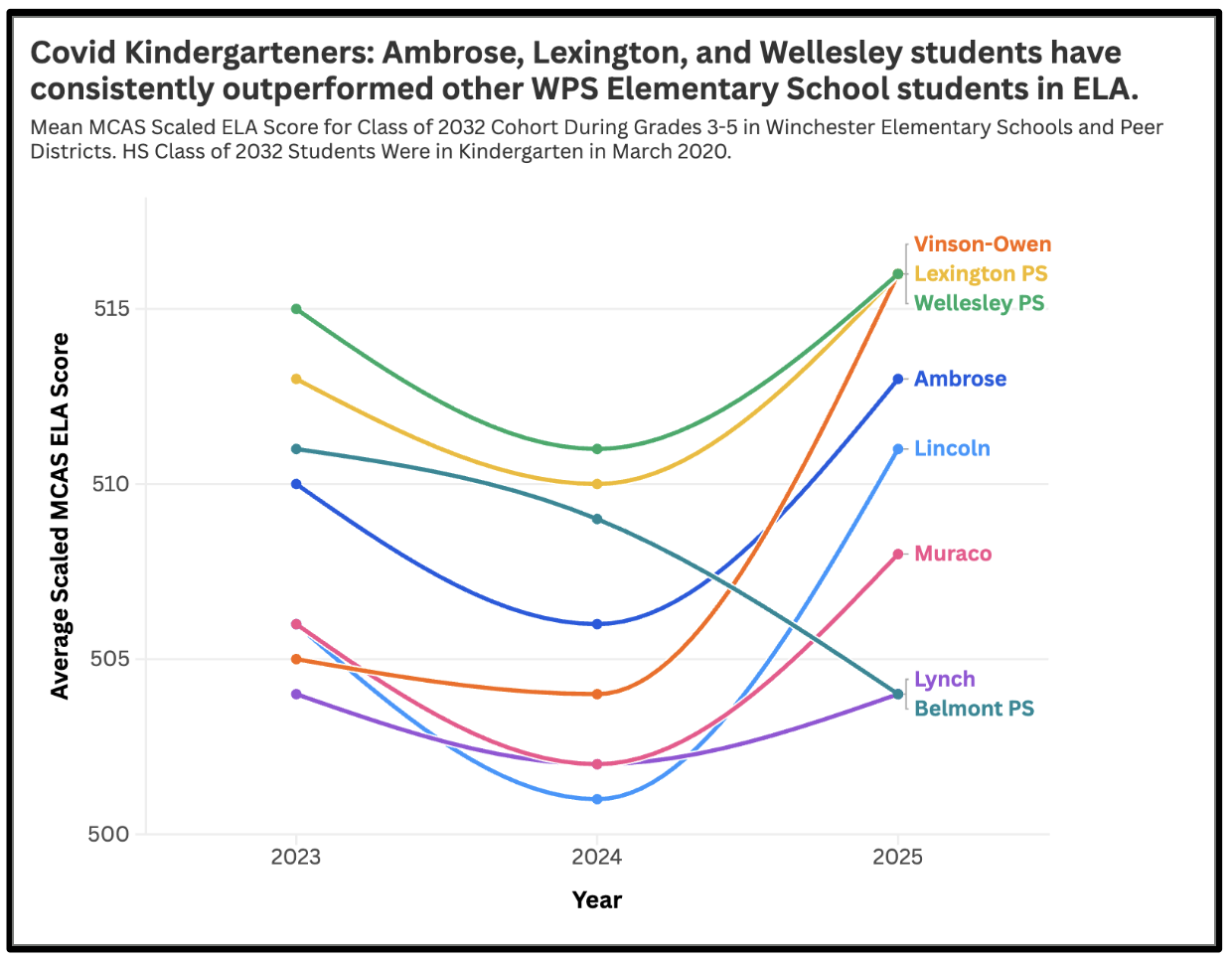
Continuing to adopt high-quality instructional materials across all subjects will help reduce disparities among Winchester elementary schools in academic achievement.
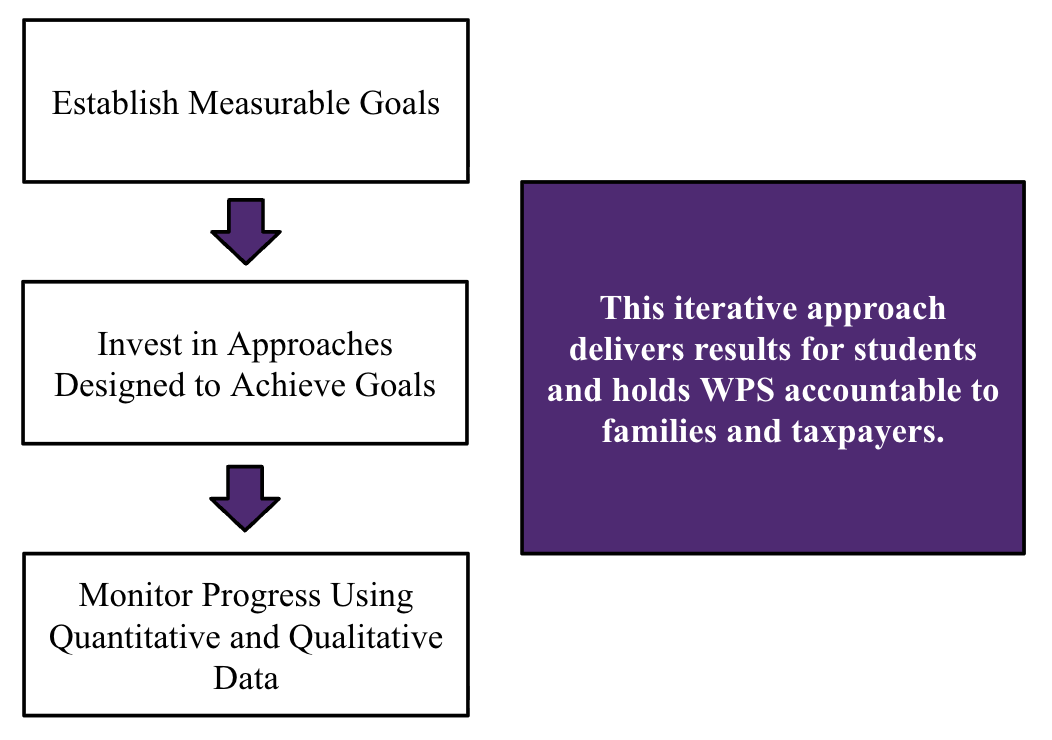
As our town faces a tightening fiscal environment, Winchester Public Schools must ensure that it coordinates its financial, human, and political resources around high-impact initiatives to deliver results for our students. Currently, WPS internal data infrastructure does not allow our administrators and teachers to adequately evaluate program effectiveness and make aligned, evidence-driven decisions. If elected to the Winchester School Committee, John would work collaboratively with other members to establish a dedicated data evaluation position. Additionally, I would outline measurable outcomes for budgetary expenditures, optimizing results for students and providing accountability to community members.
Strategic Resource Management
Supporting Diverse Learners
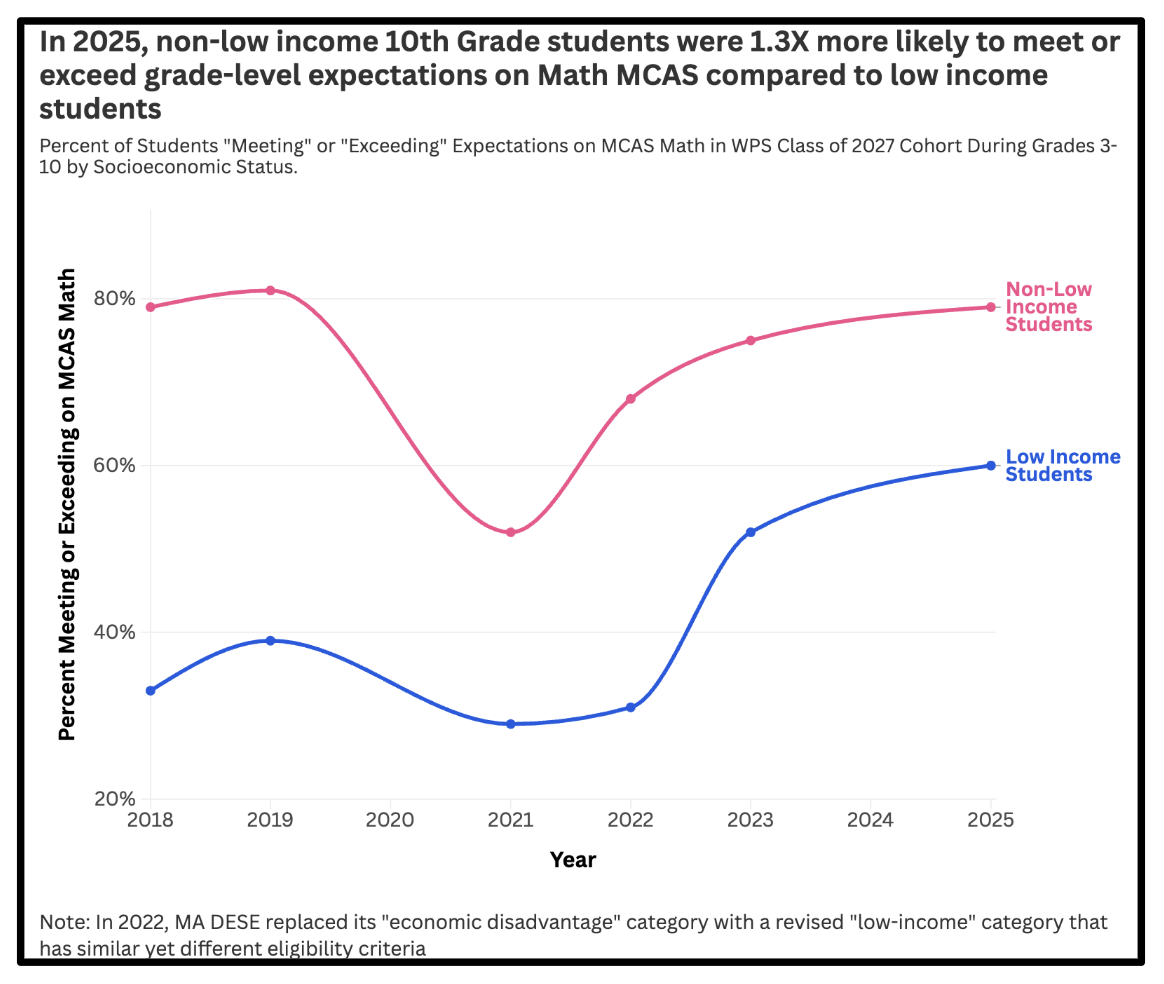
Winchester Public Schools must continue its efforts to support and celebrate its diverse student populations. Defending educational opportunities for students with disabilities, multilingual learners, students of color, low-income students, and LGBTQ students would be one of John’s highest priorities. Winchester’s current academic achievement gaps reflect that we must do more to better serve all of our students. To foster inclusivity in Winchester’s classrooms, John would also expand partnerships with community-based organizations and continue adopting representative curriculum. If elected to the school committee, John would engage all of Winchester’s diverse stakeholders to ensure that WPS serves all of its students.
Student Mental Health
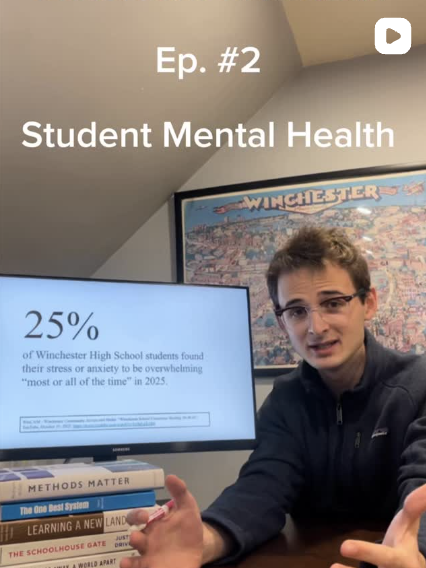
In 2023, one in three Massachusetts high school students felt sad or hopeless for a period longer than two weeks. In 2025, one in four Winchester High School students found their anxiety to be overwhelming “most of the time or always” within the past twelve months. We must do better. John’s personal experiences with mental health as a WPS student motivate him to ensure all students have the support they need to thrive as learners and individuals.
While maintaining academic rigor to challenge and engage all students, WPS must continue its efforts to implement social-emotional learning to help students find confidence in themselves and belonging amongst their peers. The rise of social media and cell phones have contributed to the current mental health crisis, and WPS must play a larger role in fostering responsible technological use habits both inside and outside the classroom.
Building Inclusive schools
Following the 1954 Brown v. Board of Education decision, racial justice advocates founded the Metropolitan Council for Educational Opportunity (METCO) program to desegregate Massachusetts public schools. Currently, METCO is the largest voluntary school desegregation program in the United States, helping to connect over 3,100 Boston families with 33 suburban public school districts. With peer districts such as Lexington, Arlington, Belmont, Wayland, Newton, Melrose, Newton, and Wellesley participating in METCO, Winchester stands alone in its failure to expand K-12 educational opportunities to systemically marginalized students through METCO.
In both 1967 and 1974, METCO rejected Winchester’s application to join the program fearing that the town’s opposition to school desegregation would jeopardize the safety of participating students. Winchester has an obligation to do better. Recognizing the benefits of METCO and other school desegregation initiatives for all students, Winchester Public Schools must build an inclusive community that METCO would seek to expand into. As is currently the case in Wellesley, METCO can work in parallel with Winchester’s A Better Chance (ABC) program, a phenomenal community which has transformed hundreds of lives.
Technology in the classroom
As a student who grew up in Winchester Public Schools during the digital age, John knows firsthand that technology poses threats to student learning and also offers potential benefits depending on classroom policies. Winchester High School’s current class-to-class cell phone ban helps uphold student learning and deepens relationships among students and teachers, but we can go further and implement a bell-to-bell ban. Winchester Public Schools must continue to help students develop technological literacy to prepare them for post-secondary opportunities, especially surrounding responsible technology use habits.
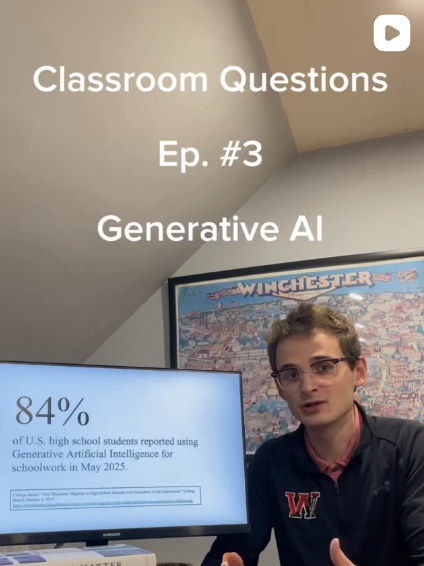
The rise of Generative Artificial Intelligence (GenAI) is profoundly reshaping P-12 education, and WPS must respond to protect student safety, promote student learning, and support our teachers. Like many other school districts in the United States, Winchester currently does not have a GenAI policy. To fill this void, WPS teachers have adopted innovative practices for their classrooms, but the lack of a district-wide comprehensive policy has led to a range of approaches that make it difficult to uphold student safety and academic integrity at the system level. Leveraging guidance from the Massachusetts Department of Elementary and Secondary Education, WPS should build on its efforts to develop “AI guidelines” and develop a comprehensive Generative AI policy. By bringing parents, teachers, students, and administrators together WPS can develop a policy that centers safety, critical thinking skills, and AI literacy to prepare students for college, career, and military success.
Classroom Questions Episodes
Ep. #6 Source List
Ep. #7 Source List
Ep. #8 Source List